Image
Rising Temperatures-Falling Resources
Download PDF

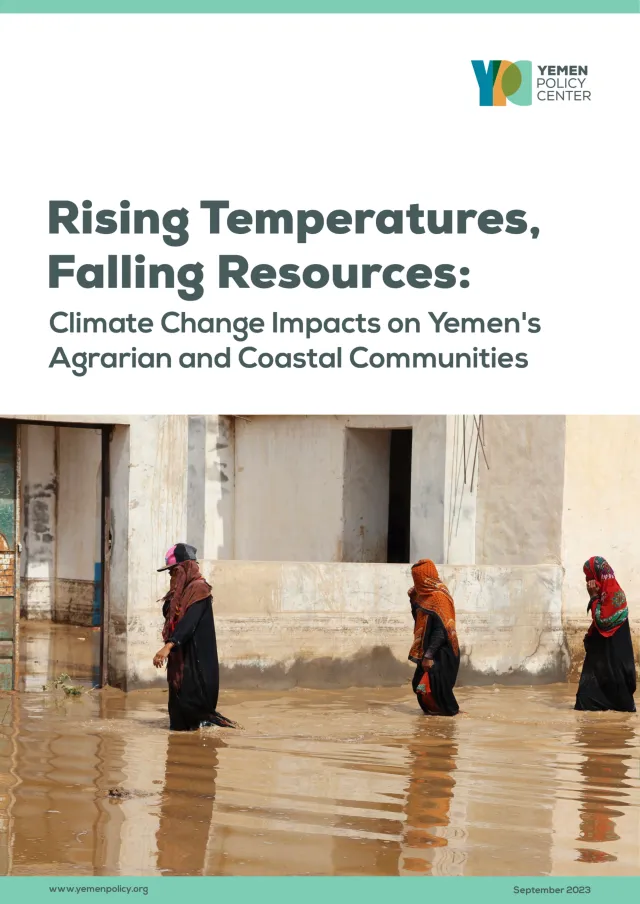
Rising Temperatures, Falling Resources

Rising Temperatures, Falling Resources

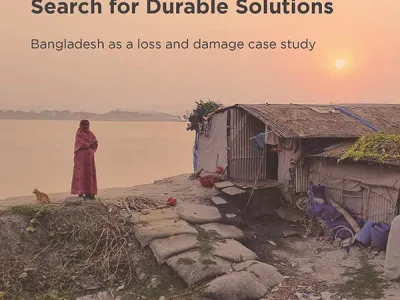
As the world continues to grapple with the effects of climate change, Yemen finds itself in a particularly vulnerable situation. The country is already facing several challenges, including an internationalized civil war and severe economic crisis. Climate change is likely to further exacerbate existing problems, with extreme weather events such as flash floods and droughts, as well as rising sea levels, already occurring in some parts of the country. This report focuses on two districts in Yemen which have been particularly affected by climate change and are likely to suffer further consequences in the future: Hajar district, Hadhramaut, and Tawahi district, Aden. Through a series of in-depth interviews and dialogues with local stakeholders, this report seeks to identify the direct and indirect impacts of climate change in the districts, as well as to highlight potential solutions and strategies for mitigation and adaptation.

Yemen Policy Center

Authors

Hadil Al-Mowafak

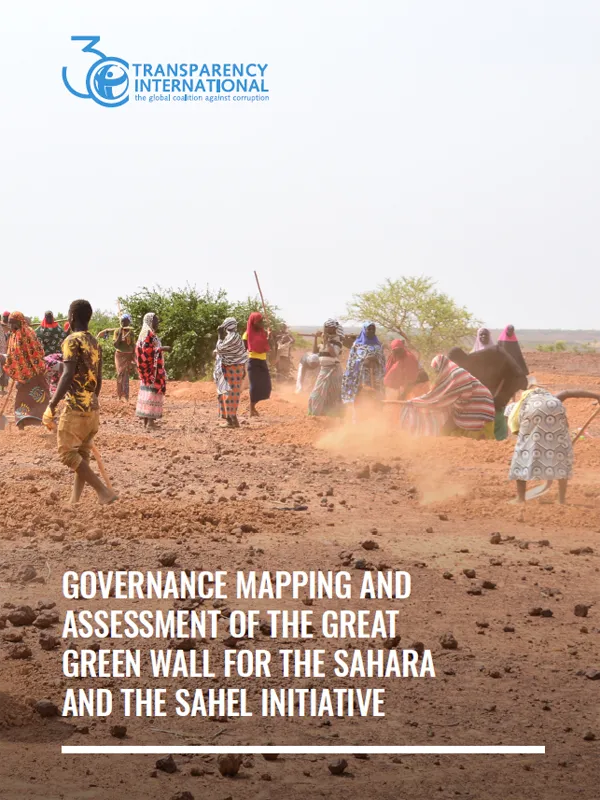
Governance Mapping and Assessment of the Great Green Wall for the Sahara and the Sahel Initiative

Governance Mapping and Assessment of the Great Green Wall for the Sahara and the Sahel Initiative
2023
Governance Mapping and Assessment of the Great Green Wall for the Sahara and the Sahel Initiative

The Great Green Wall for the Sahara and the Sahel Initiative (GGWI) was launched by the African Union in 2007 to build a sustainable future across the vast Sahel region. By 2030, the initiative aims to restore 100 million hectares of degraded land, preserve fertile land for agriculture and strengthen resilience to climate change.

To realise it’s ambitions, however, it must be vigilant about good governance to ensure that resources are used efficiently, transparently and accountably and that policies and projects are designed to benefit the people and environment it should serve. Our partner Transparency International analyses the GGWI in three critical areas: transparency, participation, and accountability and integrity. The report, supported by the Robert Bosch Foundation, focuses on the Pan African Agency of the Great Green Wall and its 11 member states, with a particular focus on Niger and Senegal.

Transparency International

Climate Change and Migration

Klimamigration
2023
Klimamigration

This policy paper provides a comprehensive and up-to-date overview of the challenges and potential policy options concerning climate-related migration. Climate change will have a significant impact on migration movements at all levels, including national, regional, and international level. In many cases, they are already becoming apparent. While most migration movements affected by climate change will occur within national borders, the international system is inadequately prepared for the changes and migration movements that are to come. Migration is an effective means of adapting to climate change. Yet, political measures are necessary to support the positive impacts and opportunities of climate-related mobility while mitigating any negative consequences. The authors of this publication present concrete policy options in this context.

Center for Global Development

Authors

Sam Huckstep, Michael Clemens

Policy Brief: Land Use, Land Rights and Climate Adaptation and Resilience

Policy Brief: Land Use, Land Rights and Climate Adaptation and Resilience
2022
Policy Brief: Land Use, Land Rights and Climate Adaptation and Resilience

This policy brief presents the key findings of a study supported by the Robert Bosch Stiftung and conducted by Power Shift
Africa in Kenya and Tanzania on structural barriers that hinder communities’ effective participation in key adaptation and resilience
discourses at regional and international level.

Robert Bosch Stiftung
Image
DGAP Policy Brief Teaserbild 600x800
Download PDF

Migration in the Context of Climate Foreign Policy

Die Rolle von Migration in der Klimaaußenpolitik

Migration, displacement and planned relocation in the context of climate change are no longer distant future scenarios. Climate-related migration is already a reality. Global warming of at least 1.5°C will cause more people to migrate in the coming decades, especially within particularly affected countries and regions. Should the earth warm even more, numerous areas, some of which are densely populated today, would become uninhabitable.The policy brief of the German Council on Foreign Relations puts the issue in context and proposes concrete development and foreign policy measures that the German government should take into account in its planned strategy on climate roreign rolicy.

Deutsche Gesellschaft für Auswärtige Politik e.V.

Authors

Dr. Kira Vinke, Hannes Einsporn, Dr. Dana Schirwon, Mahalia Thomas

How sustainable is the digital world?

Programm- und Projektbroschüren
Wie nachhaltig ist die digitale Welt?

The question of how digitalization can support a green transformation has become more and
more common in public discourse, scientific research and political agendas. At the same time,
direct environmental harm caused by digitalization, as well as its contribution to the promotion
of unsustainable lifestyles, is critically discussed. Moreover, issues of data governance and innovative forms of participation are controversial topics in digitalization and social sustainability. In this GAIA special issue, theoretical and empirical papers are presented that aim to address digitalization and sustainability in an integrated way. The collection connects scientific and political discourses and
provides both analysis and recommendations for action.
The issue was published as a follow-up to the workshop series "Sustainability and Digitalization - a European perspective", a project of Leuphana University of Lüneburg and supported by Robert Bosch Stiftung. Also available on the ingenta website.

oekom Verlag