Our Consultation Group
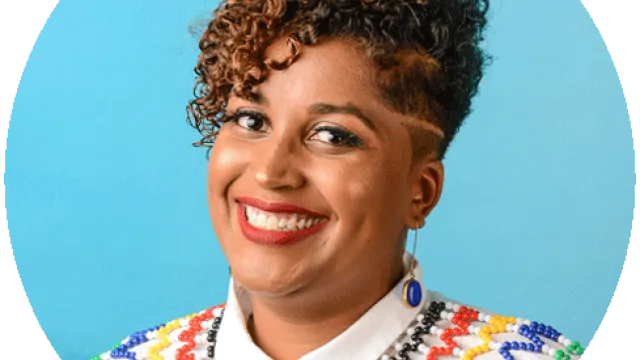
Crystal Simeoni
Director at Nawi - Afrifem Macroeconomics Collective
“Inequalities are rooted in complex system breakdowns held up by exclusion, discrimination and violence. Using an intersectional approach means putting power at the center of analyzing inequality - knowing that different intersecting identities are a central issue.”
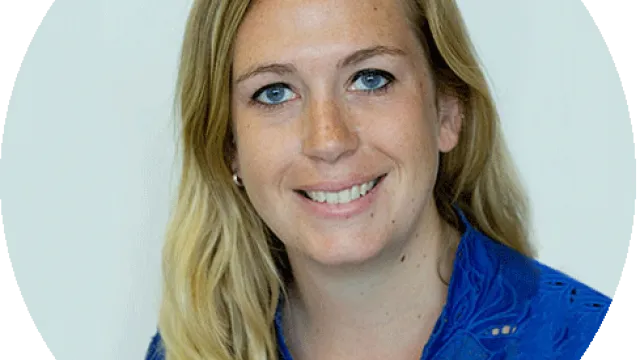
Emma Lovell
Research Fellow, Global Risks and Resilience Programme, ODI
“Intersectionality helps us better understand how different factors and identities intersect and influence people’s needs, experiences, capacities, social practices and power relationships over time. This is important to address systemic inequalities and to build more inclusive and equitable policies/programmes.”
Jenny Ricks
Global Convenor of the Fight Inequality Alliance
“Inequality is about power. Privilege and wealth are used to push an economic and social system shaped to serve the interests of powerful elites, at the expense of people and planet. We must organise across inequalities experienced by people because of racism, patriarchy, their caste, class and so on to re-balance those power relationships.”
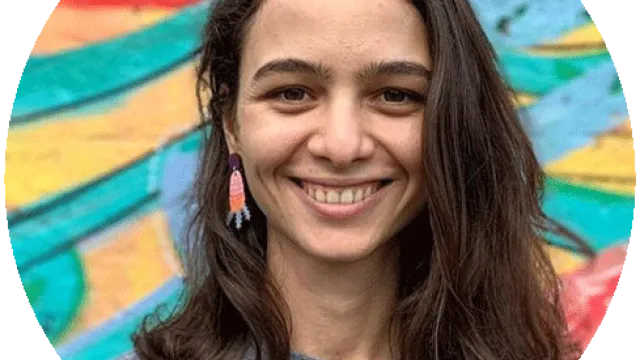
Nino Ugrekhelidze
Feminist Activist
“Intersectional lens displays how capitalism, patriarchy, racism, hetero-normativity, anthropocentrism and caste-ism are inter-related. It enables a systemic analysis of lived experiences of people on the margins and supports with developing a decolonial approach to these multi-layered oppressions.”
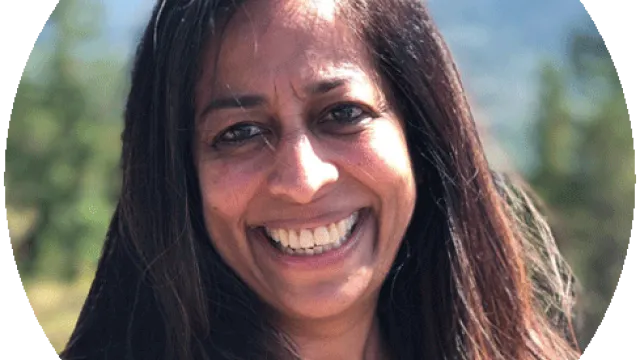
Radha Wickremasinghe
Global Program Officer in the Ford Foundation’s Gender Racial and Ethnic Justice International Program
“Intersectionality is a way of examining and explaining how systems and structures conspire to produce inequality and discrimination. Making that connection, takes an abstract and much misused term, and makes it a lens with which to view and dismantle injustice.”
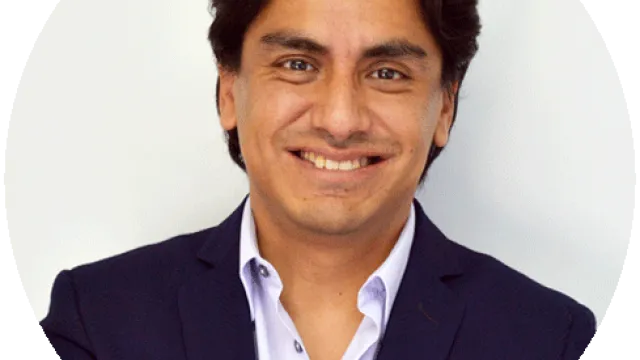
Ricardo Fuentes-Nieva
Independent consultant, former Executive Director of Oxfam Mexico
“In order to achieve a better, more just world it´s imperative to understand the different layers and connections that reproduce existing systemic inequalities – and how the distribution of power reflects this system. This is where the intersectional approach is useful.”
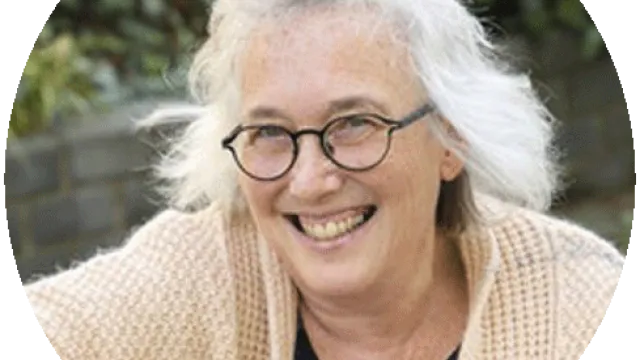
Sandra Ball
Founder of the company “m-powering”
“I'm more than just a woman. My background, my experiences and my journeys have been influenced by my intersectionality. If I am more than one thing. Why approach others in such a singular way? That's why I believe in intersectionality.”