Climate Change – Shaping Resilient Land Use
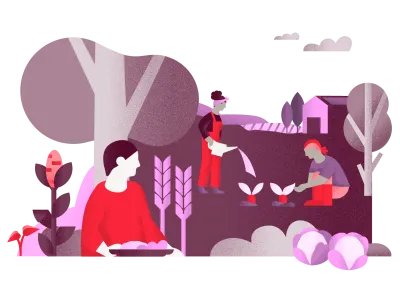
We support farmers and communities that contribute to sustainable and resilient land use and advocate for their land rights. At the same time, we are committed to healthy, sustainable, and affordable food for everyone.
In Brief
- The Robert Bosch Stiftung is committed to climate-resilient and equitable land use, and to ensuring access to healthy and sustainably produced food.
- Together with our partners, we develop systemic approaches to sustainable and crisis-resilient agriculture.
- We strengthen the land rights of farmers and communities (land stewards) that are committed to sustainable agriculture and food systems.
- We help make sustainably produced and healthy food accessible and affordable.
Insights & Understanding


![[DE Copy] janineoswaldfotografie_RBS_final-800x600.jpg](/sites/default/files/styles/bosch_4d3_medium/public/images/media/2026-05/janineoswaldfotografie_RBS_final-800x600.jpg.webp?h=827069f2&itok=pOyb2-SJ)

![[DE Copy] IMAGO-Guido Schiefer_800x600.jpg](/sites/default/files/styles/bosch_4d3_medium/public/images/media/2025-06/IMAGO-Guido%20Schiefer_800x600.jpg.webp?h=827069f2&itok=lgrHPtP1)
![[DE Copy] Klimamitbestimmung_cc Sarah Sakotic-Sondermann_470x577.png](/sites/default/files/styles/bosch_4d3_medium/public/images/media/2025-05/Klimamitbestimmung_cc%20Sarah%20Sakotic-Sondermann_470x577.png.webp?h=35c5d4cc&itok=uYEtnrkL)
![[DE Copy] Weaving Lab Projektseite_470x577](/sites/default/files/styles/bosch_4d3_medium/public/images/media/2023-12/Weaving_Lab_Projektseite_Antonio%20Garc%C3%ADa%20Guerrero_470x577.jpg.webp?h=35c5d4cc&itok=S0vYylHS)
![[DE Copy] Youth Negotiators Programme_Projektseite_470x577](/sites/default/files/styles/bosch_4d3_medium/public/images/media/2023-11/Youth%20Negotiators%20Academy_470x577.jpg.webp?h=35c5d4cc&itok=F1EreLUt)
![[DE Copy] Marburg_Rural Gathering_470x511](/sites/default/files/styles/bosch_4d3_medium/public/images/media/2023-11/03_BauernhofClemensGabriel_hoch.jpg.webp?h=c596b0fe&itok=DSjIx91C)

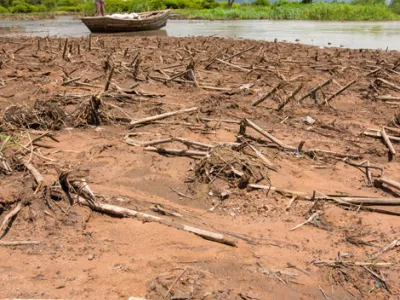
What we want to change
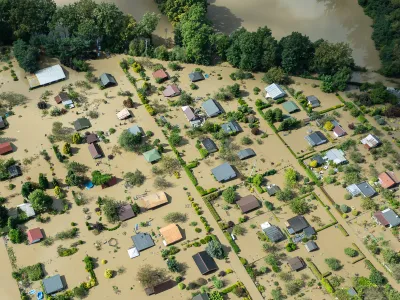
The way we use land and produce food today accounts for about 32% of global greenhouse gas emissions, a significant contribution to climate change. This also leads to food insecurity, conflict about land, and the loss of biodiversity. At the same time, agriculture itself is heavily affected by the impact of climate change, including droughts and other extreme weather events.
We want to strengthen climate resilience by promoting equitable and sustainable land use, and by ensuring that people have access to healthy and sustainable food. Local stakeholders working toward these goals deserve to have the necessary resources and freedom to succeed.
How we create impact
Strengthening local capacity for action
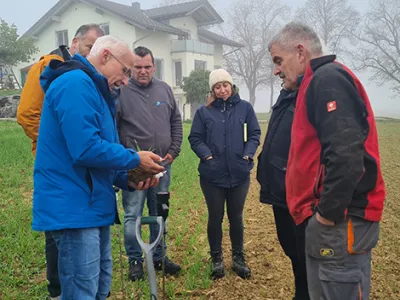
Our Climate Change team strengthens farmers, communities, and other local stakeholders to secure land rights, use land sustainably and develop healthy and sustainable food systems.
Building networks and driving systemic change
We connect stakeholders in Germany and around the world who are committed to sustainable, climate-resilient land use and food systems. Through joint initiatives, they combine their expertise, knowledge, and influence to achieve meaningful change.
Fostering dialogue and public discourse
We foster constructive public debate and create spaces for dialogue to counter polarization and build a shared understanding of sustainable land use and food systems among policymakers and the general public.
![[DE Copy] Themenseite Klimawandel_Header_höhere Auflösung](/sites/default/files/styles/bosch_16d9_medium/public/images/media/2024-10/Themenseite_Klimawandel_1440x520_AdobeStock_463208903_ivanbruno_0.png.webp?h=120603e6&itok=PKkjSfnY)
FAQs
Answers to the most frequently asked questions about climate change.
What role does sustainable and resilient land use play in addressing climate change?
Sustainable land use significantly reduces greenhouse gas emissions and supports carbon sequestration. It is also essential for helping agriculture adapt to the impacts of climate change and ensuring resilient food production.
How are climate change and food systems connected?
Climate change poses a major threat to the foundations of our food supply. At the same time, around one-third of global greenhouse gas emissions are linked to the food system, including our consumption habits. Everyone should have the opportunity to choose a climate-friendly and sustainable diet.
What is climate resilience?
Climate resilience has two objectives: preventing avoidable harm by reducing emissions and adapting to unavoidable climate impacts. Resilient land use promotes healthy soils and ecosystems, helps to store carbon, and makes food production more resilient in crises.
What measures strengthen climate resilience?
Creating climate-resilient land use and food systems requires action across the entire value chain –from agricultural production and transportation to consumption choices. Effective measures can include ecological, political, social, economic, and technological approaches.
Publications

![[DE Copy] GemeinsamVoran-Cover_210 x 297.png](/sites/default/files/styles/bosch_original_medium/public/images/media/2025-06/GemeinsamVoran-Cover_210%20x%20297.png.webp?itok=z72PVWyy)
![[DE Copy] Climate-Landrights2025-cover.png](/sites/default/files/styles/bosch_original_medium/public/images/media/2025-05/Climate-Landrights2025-cover.png.webp?itok=65IsM6Bn)
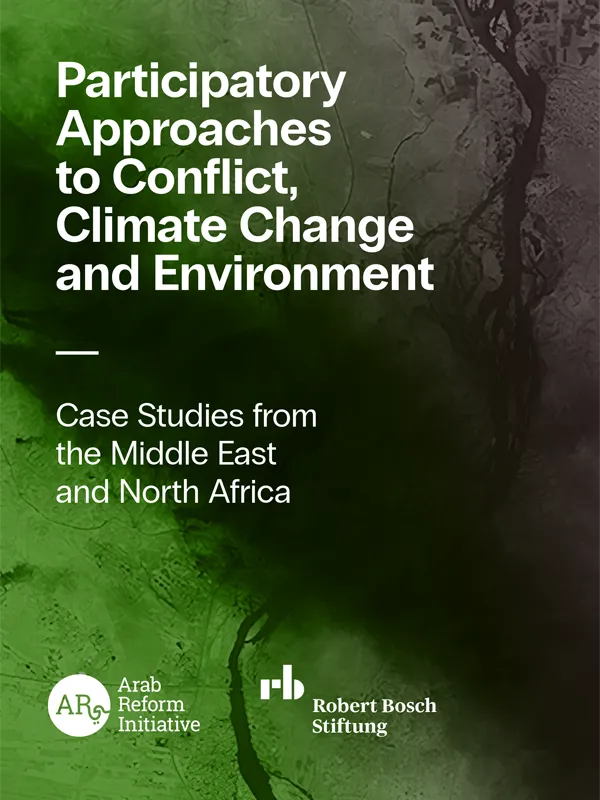
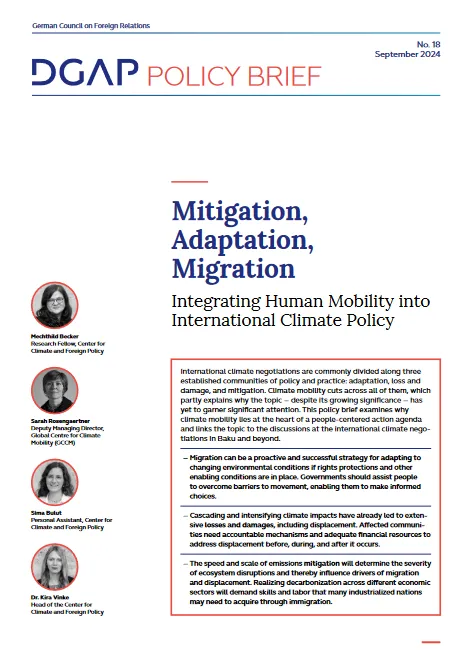
![[DE Copy] Agora Agrar land use study](/sites/default/files/styles/bosch_original_medium/public/images/media/2024-09/AGR_Land-use-study_240903_Page_001_0.png.webp?itok=R0lJhWLv)
Your Contact Person
![[DE Copy] Christiane Käsgen_Profilbild](/sites/default/files/styles/bosch_square_medium/public/images/media/2023-07/Kaesgeh_Christiane_02.png.webp?h=d2de68a6&itok=aoG0sCWv)
Christiane Käsgen
Senior Project Manager