Water-Soil-Agroforestry: Co-creating Climate-Resilient Landscapes in Southern Black Forest
About the project
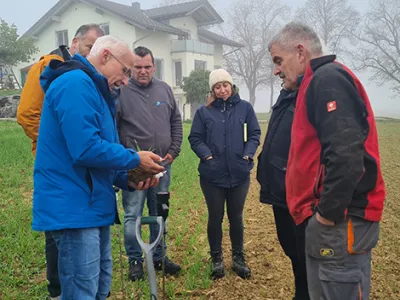
Longer droughts and more frequent heavy rainfall events are threatening agriculture, nature and settlements in the southern Black Forest. The Water-Soil-Agroforestry project is strengthening the region's resilience through nature-based solutions. The Southern Black Forest Nature Park is working with farmers, communities and experts to develop strategies adapted to local conditions. Local people have been involved in the planning from the outset to ensure acceptance and implementation of the measures. This collaborative approach to shaping the future is essential if the challenges of climate change are to be met successfully. The project is funded by several foundations, the state of Baden-Württemberg and the European Union.
Why are we running the project?
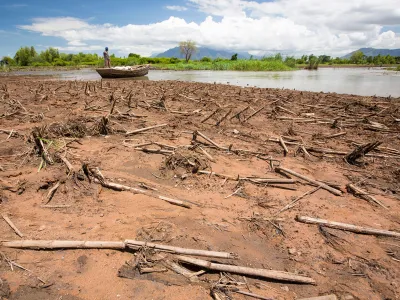
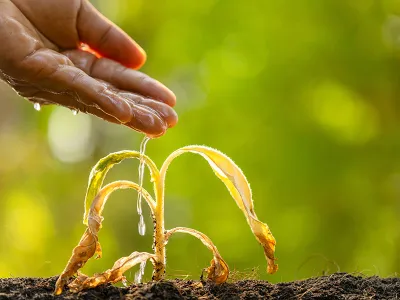
Climate change is a global challenge that does not stop at the southern Black Forest. Agriculture is suffering from the increasing frequency of extreme weather events. Droughts lead to crop failures, while heavy rainfall washes away valuable soil. Biodiversity is at risk. The Robert Bosch Stiftung supports this project because it shows new ways to adapt to climate change and protect our livelihoods. The southern Black Forest serves as a model region: the knowledge gained here can also be applied to other regions.
What is our goal?
The Water-Soil-Agroforestry project has three main objectives: climate-proofing agriculture, protecting biodiversity and securing water supplies. It also examines what legislative and administrative conditions need to be created to enable a shift towards climate-resilient agriculture and land use. The knowledge gained will help remove barriers and create the necessary conditions for successful implementation in other regions.
How does the project work?
The project will start in 2025 and run for five years. New measures will be developed and implemented together with local residents in five districts of the Southern Black Forest Nature Park. Scientists from the University of Hohenheim will support the project and ensure that the results are also useful for other regions. The project is funded by the Eva Mayr-Stihl Stiftung, the Robert Bosch Stiftung, the CHRYSANTIL Stiftung, the Baden-Württemberg Climate Protection Foundation, the Josef Wund Stiftung and the Heidehof Stiftung.
Concrete measures
The focus is on three areas that are closely linked and reinforce natural cycles:
Water: The project explores ways to retain water in the landscape. Renaturalised streams and near-natural retention ponds create water reservoirs for dry periods. These measures mimic natural processes and reduce the risk of flooding.
Soil: Healthy soil is the foundation for resilient agriculture and an intact ecosystem. Planting appropriate crops and using conservation tillage practices promote soil fertility and water retention. The focus is on humus formation and erosion control.
Agroforestry: The integration of trees and shrubs into agricultural land (agroforestry) offers a number of benefits. Agroforestry systems protect the soil from erosion, store water and create a favourable microclimate. They provide habitats for insects and birds and increase biodiversity. The project promotes and tests the establishment of such systems.
Your contacts
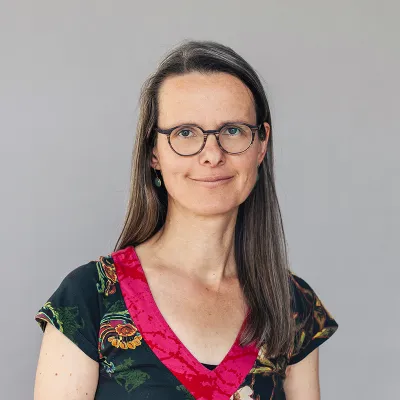
Elisabeth van Gelder
Project Manager

Florian Schmid
Naturpark Südschwarzwald
![[DE Copy] Klimamitbestimmung_ cc Sarah Sakotic-Sondermann_800x600.png](/sites/default/files/styles/bosch_4d3_medium/public/images/media/2025-05/Klimamitbestimmung_%20cc%20Sarah%20Sakotic-Sondermann_800x600.png.webp?h=827069f2&itok=69K7dfNw)
![[DE Copy] Weaving_Lab_Projektseite_800x600](/sites/default/files/styles/bosch_4d3_medium/public/images/media/2023-12/Weaving_Lab_Projektseite_Antonio%20Garc%C3%ADa%20Guerrero%20800x600.jpg.webp?h=827069f2&itok=3d18Gte4)
![[DE Copy] Youth Negotiators Programme_Projektseite_800x600](/sites/default/files/styles/bosch_4d3_medium/public/images/media/2023-11/Youth%20Negotiators%20Academy_800x600.jpg.webp?h=827069f2&itok=jWspkrqW)
![[DE Copy] Marburg_Rural Gatherin_800x600](/sites/default/files/styles/bosch_4d3_medium/public/images/media/2023-11/03_BauernhofClemensGabriel_quer.jpg.webp?h=827069f2&itok=lQmJqRdO)
![[DE Copy] Zukunft_aufgetischt_800x600](/sites/default/files/styles/bosch_4d3_medium/public/images/media/2023-12/Zukunft_aufgetischt_800x600.png.webp?h=827069f2&itok=x3mOGabD)