The Open European Dialogue is a platform for members of parliament from European countries that promotes cross-border and cross-party exchange, strengthens trust and enables cooperation on current challenges.
About the program
Why are we running the program?
The Open European Dialogue was created to provide a much-needed neutral space for constructive exchange among European policymakers. In the face of increasing polarization in society and politics, as well as the growing complexity and scale of policy challenges, we in Europe need to find new ways to work together effectively and constructively. What we see today is a serious lack of adequate structures for political dialogue and cooperation in our democracies. We need more political infrastructures that strengthen political dialogue, reduce tensions and build mutual trust. The Open European Dialogue contributes to filling this gap by building bridges between political actors and promoting innovative forms of dialogue and cooperation between European countries.
What is the goal?
The aim of the Open European Dialogue is to improve European governance by helping policy-makers to better understand challenges and perspectives from across Europe and to build trust and solidarity. The focus is on fostering constructive policy exchange between practitioners and policy-makers from across Europe. Through innovative approaches, tailor-made dialogue spaces and the expertise of leading think tanks, new forms of political dialogue are tested and creative solutions for democratic governance are developed. In 2021, the Open European Dialogue was recognized by the OSCE as a global best practice in transnational cooperation and innovation.
How does the program work?
Participation in the Open European Dialogue gives policymakers access to exclusive event and dialogue formats. These include the annual Policymakers Dialogues, a two-day exclusive parliamentary conference format, the Policy Design Sprints to promote cross-national collaboration on specific topics, Open Calls from MPs on a range of issues, and other formats such as the OED 120, a virtual, 120-minute policy deep-dive format.
Participants in the Open European Dialogue benefit from a network of members from different countries and political parties, as well as from international experts. Members can commission the Open European Dialogue to activate the network on their behalf to organize dialogues, bilateral exchanges or excursions, and to commission research. In addition, members regularly receive targeted information on political and technical developments relevant to their work, such as analyses by our partner think tanks or news on parliamentary affairs and cooperation in the European Union.
Background information on the programs
Your contacts
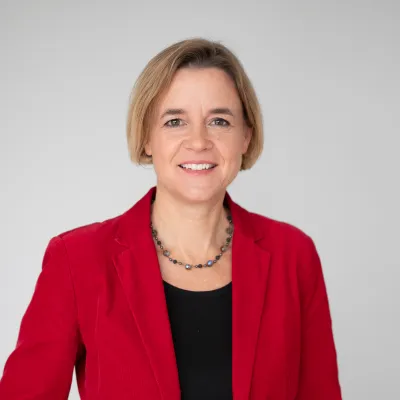
Agnes Kolodziej
Senior Projektmanagerin