Automating decision-making in migration policy

Program brochures
2021

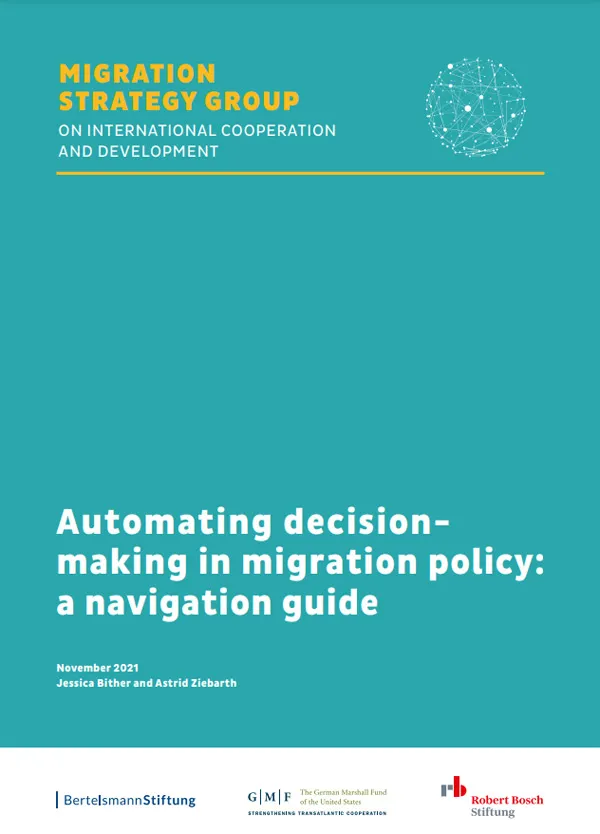
How are algorithms shaping migration policy decisions? This publication examines the growing use of automated decision-making systems in migration governance and explores their implications for fairness, transparency, and public accountability. Through a series of real-world case studies, it provides policymakers and practitioners with a practical framework for assessing the opportunities and risks of digital technologies in migration management.

Bertelsmann Stiftung, GMF, Robert Bosch Stiftung
Authors

Jessica Bither and Astrid Ziebarth

The EU’s AI Act and its Human Rights Impacts on People Crossing Borders

Articles
2022

In April 2021, the European Commission tabled its proposed Regulation on Artificial Intelligence (AI Act) which attempts to regulate a broad group of technologies that can be classified as automated or that employ artificial intelligence. Migration technologies, particularly when partially or fully automated, pose significant human rights risks to people crossing borders, seeking refugee status, or immigrating. In this brief, Petra Molnar outlines these risks and calls together with others for amendments to the act. The brief is part of the “Dialogue on Tech and Migration, DoT.Mig.” paper series by the “Migration Strategy Group”, an initiative by the German Marshall Fund of the United States, the Bertelsmann Foundation, and the Robert Bosch Stiftung. 

Authors

Petra Molnar

Image
Cover Report Digital Identity and Migration_600x800.png
Download PDF

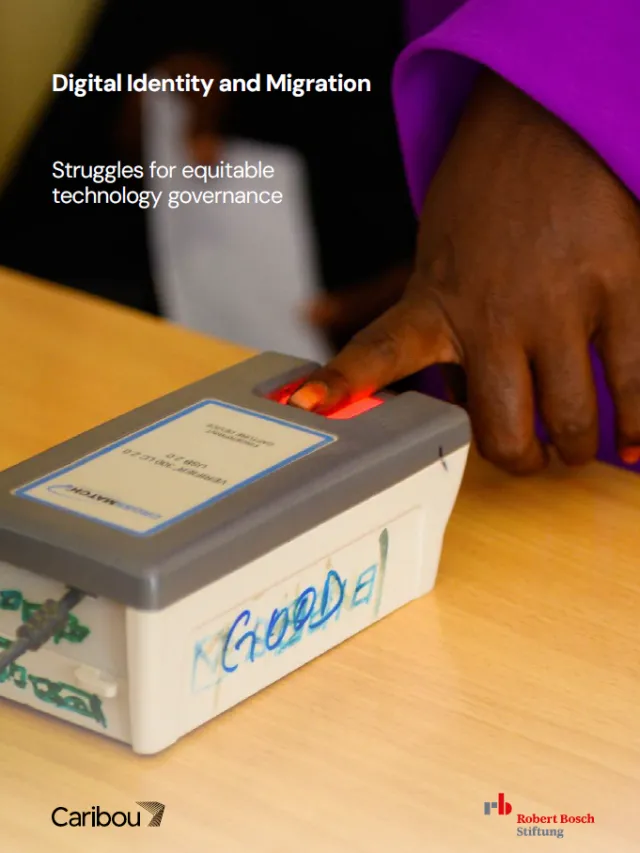
Digital Identity and Migration

2026

The report “Digital Identity and Migration” analyses how emerging digital identity systems affect migrants, refugees, and other marginalized groups. It shows that new technologies such as digital wallets can improve access to essential services but also risk reinforcing existing forms of exclusions when safeguards and inclusive design are lacking. Drawing on case studies and fieldwork in Kenya and Germany, the report highlights gaps between policy ambitions and practical realities and provides evidence based insights for designing more accessible, rights focused identity systems.

Caribou

Authors

Margie Cheesman

Image
Cover Ukrainian displaced people_600x800.png
Download PDF

Ukrainian displaced people's inclusion in Europe

2026

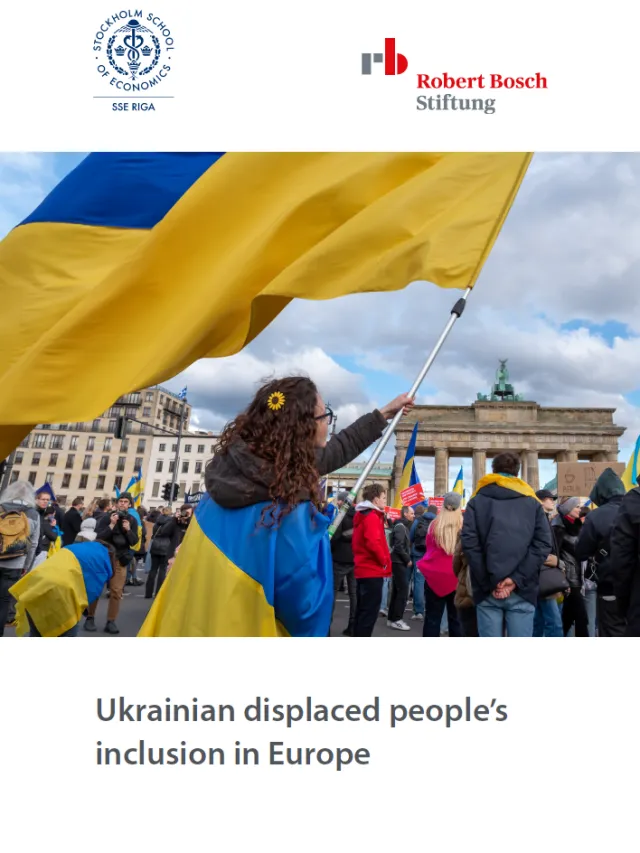
In wake of the Russian full-scale invasion of Ukraine, Europe welcomed over six million displaced people. The initial response was built under pressure. Two years on, the questions changed. What helps people move from arrival to work, school, and stable routines? What breaks down when emergency measures meet long-term needs? What can countries learn from each other when systems, labour markets, and languages differ?

Based on roundtables and discussions involving academics, policymakers, and the business community with active participation from Ukrainian displaced people, this briefing analyses the responses across 12 countries, and points out factors for more sustainable support.

Stockholm School of Economics in Riga

Authors

Kata Fredheim