In Europe these days, there is an air of inevitability about war—even though there is little clarity about whom we will fight, why, or what kind of war we are preparing for. From politics to nightly news, there is a morbid fascination with war and its actors: the states wielding their techno-wizardry machines of death; rag-tag militias like the sandal-wearing Houthis taking on mighty navies; suicide bombers—especially when they are women.
But on International Peace Day, perhaps we can consider peace. What do we know about its actors?
The Often Overlooked Women Peacebuilders
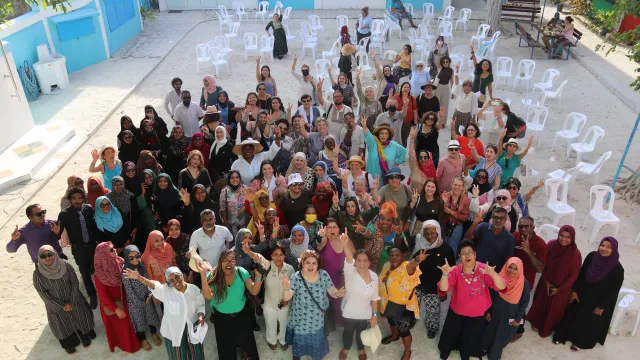
For thirty years, I have been fascinated by this often-invisible world. It is dominated by women from all walks of life: A Yemeni poet turned mediator; the Iraqi teacher who lost two sons to violence, yet protects young people from extremism; Syrian women reconciling communities across deadly divides. Where the world has turned away, women peacebuilders persist in sustaining, imagining and building peace.
Violence costs the world over $21 trillion in 2025. Imagine if such peace actors had these resources, or the recognition given to war actors?
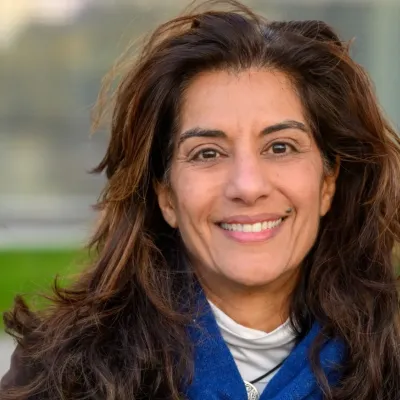
Sanam Naraghi Anderlini
The founder and CEO of the International Civil Society Action Network (ICAN) and a Richard von Weizsäcker Fellow at the Robert Bosch Academy, she is an internationally recognized expert on peacebuilding, conflict prevention, and countering violent extremism.
Peace tables without peacebuilders?
26 years ago, the call to recognize women peacebuilders as actors needed at peace tables, was the radical proposition of the Security Council’s Women, Peace and Security agenda. The premise was simple: If mediation is for peace why not engage frontline peace actors? The demand came from women in war zones, not western capitals.
Today they remain distant from the rooms where their futures are determined. Why? Apathy and adhocery are much to blame. Without commitment to changing practices or accountability for diplomats, policies remain rhetorical. Violence is the ticket into negotiations. Local nonviolent actors relegated to side events. Culture is another excuse for women’s exclusion. But if culture were the reason, the peacetables of Yemen and Ukraine would look different. In reality, the powerful are unwilling to share their privilege or be held accountable by their own communities.
Much Responsibility, Little Influence
With international actors retreating, localization is the new mantra, giving rise to the paradox of power and responsibility. Local peacebuilders in Afghanistan or Sudan are expected to prevent violence, reconcile societies, and uphold human rights, while international actors fuel crises - selling weapons, enabling predatory elites or funding proxy wars.
Every year new wars are started and old ones continue. We waste billions on weapons but refuse to invest in radical inclusive diplomacy or peacemaking.
"Peacebuilding is not pacifism. It does not deny the existence of aggression or the need for defence."
Security Is Not Achieved Through Weapons Alone
Peacebuilding is not pacifism. It does not deny the existence of aggression or the need for defence. It asks a harder question: what combination of deterrence, diplomacy, political pressure and investment in the forces of peace prevents disputes today from becoming tomorrow’s forever wars?
Women peacebuilders, create enabling environments for violence to be prevented and stop. They establish mechanisms to mitigate flare ups and build confidence. They change the sequencing so that the grievances of the past are not driving the actions of the present and outcomes of the future. Instead they put the interests of children first – letting the hoped for peaceful future guide actions in the present and help heal past grievance. For them nonviolence is the norm and violence the aberration. It is smart security in the face of violent militarism.
Rethinking Peace as the Norm
So perhaps we have International Peace Day the wrong way round. Imagine 364 days of peace and one day of war, when political leaders riven with hatred could fight themselves, instead of sending the sons and daughters of others to kill or be killed.
Absurd? Is it more absurd than spending trillions militarizing humanity, destroying this fragile planet and calling it security?
On September 21st, look at the world through the lives of women peacebuilders. Peace and coexistence are how most humanity lives most of the time. Pragmatism and compromise are how we navigate differences. Perhaps it is peace, not war, whose inevitability we should consider.