Your contacts
Image
![[DE Copy] Sarah Müller_Profilbild](/sites/default/files/styles/bosch_square_medium/public/images/media/2023-07/Mueller_Sarah_02.png.webp?h=45202834&itok=VObbmh0r)
Sarah Müller
Projektmanagerin
Image

Talah Alshami
Syrbanism
this project
not empty related content
Sarah Müller
Projektmanagerin
Talah Alshami
Syrbanism
this project
not empty related content
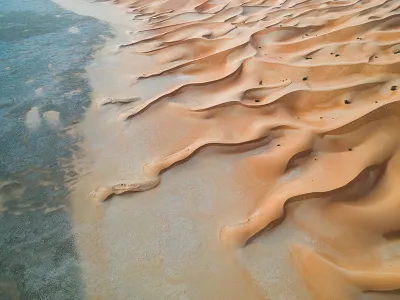
The Middle East and North Africa are one of the regions most affected by conflict worldwide. These conflicts result in massive environmental damage, while climate change and environmental degradation also give rise to new injustices and conflicts at the local level. Despite this, affected groups and stakeholders are often not involved in decision-making processes. This publication analyzes the implementation of participatory approaches in 7 countries in the region, particularly with regard to the potential for a better understanding of their implications for human security.
The dossier was produced in close collaboration with the Arab Reform Initiative.

Irene Weinz
Senior Expert

Brian Reeves
Allmep
this project
not empty related content
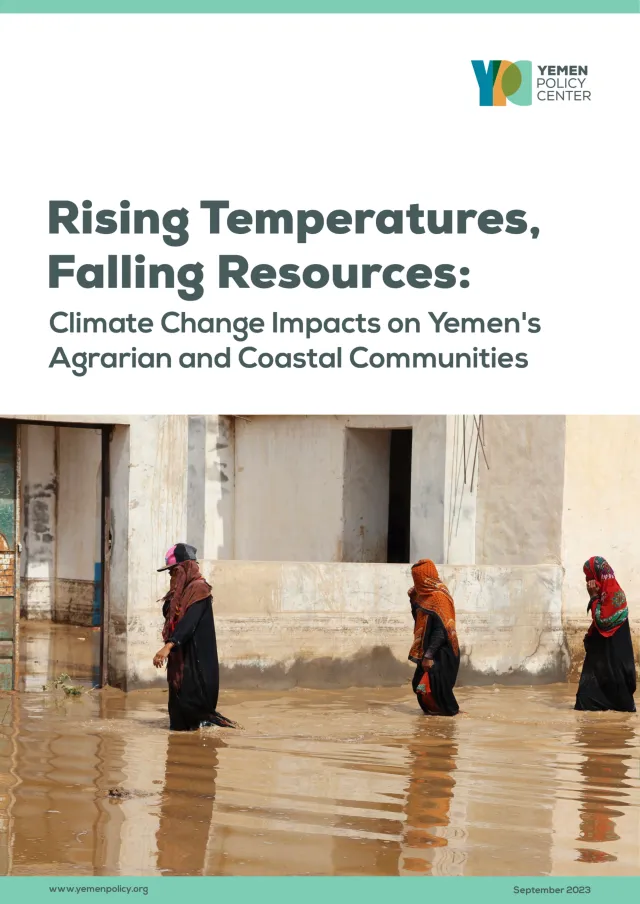
As the world continues to grapple with the effects of climate change, Yemen finds itself in a particularly vulnerable situation. The country is already facing several challenges, including an internationalized civil war and severe economic crisis. Climate change is likely to further exacerbate existing problems, with extreme weather events such as flash floods and droughts, as well as rising sea levels, already occurring in some parts of the country. This report focuses on two districts in Yemen which have been particularly affected by climate change and are likely to suffer further consequences in the future: Hajar district, Hadhramaut, and Tawahi district, Aden. Through a series of in-depth interviews and dialogues with local stakeholders, this report seeks to identify the direct and indirect impacts of climate change in the districts, as well as to highlight potential solutions and strategies for mitigation and adaptation.